


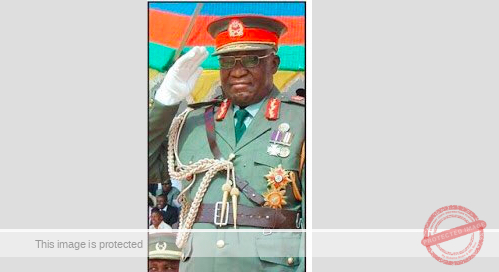
Solomon Huwala Death and Obituary – Solomon Huwala, also known by his full name Dumeni Solomon “Jesus” Huwala, a former Namibian Army lieutenant general and one of the most prominent – and controversial – military figures in the nation’s history, passed away on August 11, 2025, at the age of 89. His death, reportedly following a long and difficult illness, closes the chapter on a career that spanned the armed struggle for independence, the formation of Namibia’s post-independence military, and decades of public debate over his legacy.
Born in the pre-independence era of South West Africa, Huwala’s military career began with the liberation struggle against South African rule. He rose through the ranks of the South West Africa People’s Organization (SWAPO) military wing, the People’s Liberation Army of Namibia (PLAN), eventually serving as its deputy commander before Namibia’s independence in 1990. His strategic role in the armed struggle earned him both recognition and notoriety, as he became a key figure in PLAN’s operational command structure.
However, Huwala’s wartime record was overshadowed by serious allegations. He was accused of overseeing detention camps in Lubango, Angola, where SWAPO opponents and suspected spies were allegedly held and, in some cases, tortured or executed. These allegations led to his infamous nickname, the “Butcher of Lubango.” While Huwala and SWAPO leadership consistently denied the extent of these accusations, the controversy remained a persistent point of contention in Namibian political and historical discourse.
Following independence in March 1990, the new Namibian government sought to build a unified national defence force by integrating former PLAN fighters with members of the South West African Territorial Force (SWATF). Huwala was appointed as Army Commander within the Namibian Defence Force (NDF), tasked with shaping a cohesive and modern military institution. His leadership style was described as disciplined and uncompromising, reflecting his guerrilla war background.
In 2000, Huwala was promoted to the position of head of the NDF, succeeding Dimo Hamaambo, another iconic liberation figure. During his tenure, the NDF expanded its professional capacity, participated in regional peacekeeping missions, and modernised aspects of its operational framework. Nonetheless, his leadership remained polarising, with supporters praising his military acumen and critics pointing to his unresolved wartime controversies.
Huwala retired from active service in October 2006, after 16 years of senior leadership in Namibia’s armed forces. He was succeeded by Lieutenant General Martin Shalli. In retirement, Huwala largely withdrew from public life, though his name occasionally resurfaced in discussions on the history of the liberation struggle and the controversies surrounding it.
The announcement of his passing has sparked mixed reactions in Namibia and abroad. Tributes from former comrades emphasise his contribution to Namibia’s independence and the building of the national army. At the same time, human rights activists and survivors of the Lubango detentions have reiterated calls for historical accountability and truth-telling about wartime abuses.
Solomon Huwala leaves behind a complicated and contested legacy—one that reflects both the triumphs and the moral complexities of Namibia’s journey to sovereignty. His life story serves as a reminder that the history of liberation m
ovements is often marked by both heroic sacrifice and enduring wounds that demand reconciliation.
Categori
