


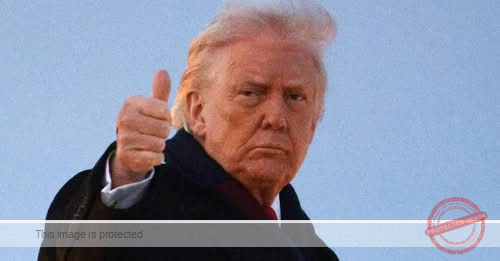
Mount Pocono, PA – President Donald Trump addressed the nation on Tuesday, December 10, 2025, claiming his administration is “crushing” inflation and that “prices are coming down tremendously.” However, recent economic data contradicts these assertions, with inflation edging higher in recent months and certain goods seeing a sharp rise in costs.
In his speech, President Trump declared, “I have no higher priority than making America affordable.” His comments came just ahead of the 2026 midterm elections, as his administration attempts to emphasize the success of its economic policies. But inflation data tells a different story, showing price increases across many sectors, with no significant decline in consumer costs.
What Happened: Rising Inflation and Economic Reality
While President Trump suggested that inflation was being curbed, federal data paints a different picture. The most recent report, for September 2025, shows inflation rising at a 3% annual rate. This is consistent with January 2025 levels, when Trump took office. Inflation dipped to 2.3% in April, but it has steadily increased since, partly due to the new tariffs on imports imposed by the Trump administration.
Federal Reserve Chair Jerome Powell has also pointed to the tariffs as a key factor behind the recent uptick in inflation. “Inflation for goods has picked up, reflecting the impact of tariffs,” Powell said in a recent press conference.
What This Means for Consumers
For many Americans, the economic situation remains challenging. Despite a decrease in gasoline prices, many other daily essentials are becoming more expensive. The Consumer Price Index (CPI) showed that food prices, for example, rose 2.7% in September compared to the previous year. Since 2020, grocery bills have climbed by approximately 49%, putting significant strain on household budgets.
One area of concern for consumers is the rising cost of beef, which surged nearly 17% year-over-year, according to CPI data. Shoppers have voiced their frustration, with some resorting to purchasing only sale items to afford their groceries.
Housing and Energy Prices: A Continued Struggle
Housing affordability remains a critical issue for many Americans. Although mortgage rates have slightly decreased, the cost of purchasing a home remains out of reach for many households. The Federal Reserve Bank of Atlanta reports that a homebuyer today must earn $131,400 annually to afford a typical home—nearly double the amount required five years ago. Additionally, more than 75% of homes across the country are deemed unaffordable for the average family, according to a recent Bankrate report.
In terms of energy, while gas prices have seen some relief, other costs, like residential electricity, have risen significantly. Electricity prices increased by more than 10% in the first eight months of 2025, exacerbating the financial burden on U.S. households. Nearly 1 in 20 households are behind on utility bills, and the average overdue balance has risen by 32% over the past three years.
Trump’s Economic Rhetoric vs. Reality
While President Trump has frequently touted his policies as successful in addressing inflation and making life more affordable for Americans, critics argue that his administration’s actions have led to inconsistent results. White House spokesman Kush Desai insisted that Trump’s agenda is working, claiming that the administration’s policies of tax cuts, deregulation, and energy production would continue to lower inflation and raise wages for American workers.
However, some Republicans, including Rep. Marjorie Taylor Greene, have expressed doubts about the affordability of life under Trump’s policies. “Everyone’s bills have either stayed the same or gone up,” Greene said, adding that the administration can’t ignore the reality faced by many Americans.
Public Reactions and What’s Next
The economic reality, as seen through the lens of rising prices and stagnant wages, contrasts with President Trump’s claims about the success of his administration’s policies. For many Americans, rising grocery bills, housing unaffordability, and the increasing costs of utilities are far from the “tremendous” price decreases touted by the president.
As the midterm elections approach, the Trump administration’s handling of the economy will be a key issue for voters. While inflation may ease in 2026, as predicted by the Federal Reserve, the economic situation is likely to remain a focal point for discussions on the country’s future.
This story may be updated with more information as it becomes available.
The post Trump Claims Inflation is “Crushing” While Economic Data Tells a Different Story first appeared on Trusted and Verified USA News.
