


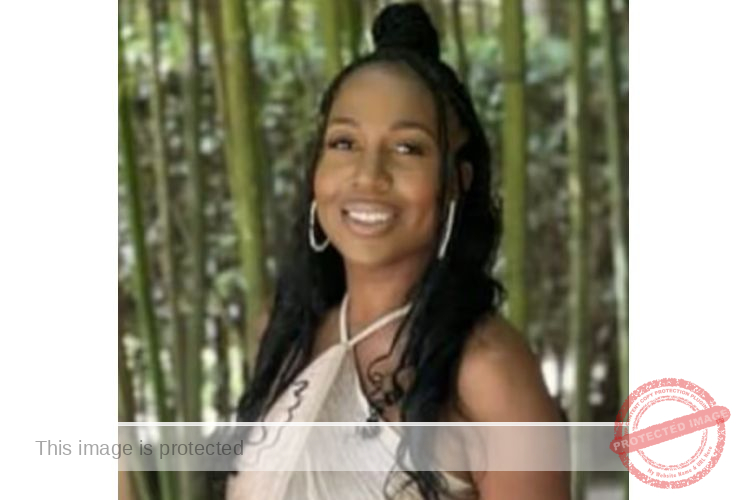
The night was meant to be quiet and reflective. Friends and family had gathered outside a west London church to mourn an elderly woman who had recently passed away.
Instead, the evening ended in sudden violence — and the death of Michelle Sadio, a mother of two who had simply come to pay her respects.
A moment of grief shattered
Sadio, a legal administrator, was standing outside the River of Life Elim Pentecostal Church in Harlesden in December 2024 when a car drove past and shots were fired.
She was struck in the back, lung, and shoulder. Emergency services arrived quickly, but she was pronounced dead at the scene.
Two other people were also hit. One man was shot in the back and left paralyzed from the waist down. Another was wounded in the foot.
A case moves to court
Four men are now on trial in connection with the shooting: Tahjin Sommersall, 19; Perry Allen-Thomas, 27; Shaquille Sutherland, 26; and Amir Salem, 19.
All four have been charged with murder and two counts of attempted murder. Each has pleaded not guilty.
Prosecutors allege Sommersall was inside the car during the shooting, along with two other individuals who are believed to have fled the country and have not been arrested.
Allegations of coordination behind the scenes
According to prosecutors, Allen-Thomas and Sutherland were not physically present at the scene but are accused of orchestrating the attack.
Salem is alleged to have purchased gasoline later used to set the vehicle on fire, an act prosecutors say was meant to destroy evidence.
The court has also heard that investigators believe the intended target was a rapper — not Sadio or the other victims attending the wake.
An unintended victim
Sadio’s death has struck a deep nerve because of how ordinary her presence was that night.
She was not involved in any dispute, nor was she the intended target. She was a bystander — a mother, a professional, a mourner — caught in someone else’s violence.
Her family has been left to grieve not only her loss, but the randomness of it.
Why the case resonates
The trial has reopened painful questions about gun violence in public spaces and the risks faced by people with no connection to criminal disputes.
It highlights how targeted attacks can spill into everyday life — outside places of worship, during moments of communal grief, and among people who believe they are safe.
As the case unfolds in court, it stands as a reminder of how quickly violence can intrude, and how devastating the consequences can be for families who never saw it coming.
