


The Winter Olympics are meant to be a pause from everyday life.
For a few weeks, the world watches jumps, spins, and split-second finishes instead of headlines.
But this year, politics has followed Team USA onto the ice and snow — and into the stands.
Vice President JD Vance weighed in this week after several American athletes shared concerns about the political climate back home, particularly around immigration enforcement under the Trump administration.
His message was straightforward: represent the country, compete hard, and leave the politics behind.
“You’re There to Play a Sport”
Speaking during the Games, Vance acknowledged that athletes often comment on politics during Olympic cycles.
“My advice,” he said, was to focus on bringing the country together. When athletes wear the U.S. flag, he added, they represent Americans across the political spectrum.
He also cautioned that those who step into political debate should expect criticism in return.
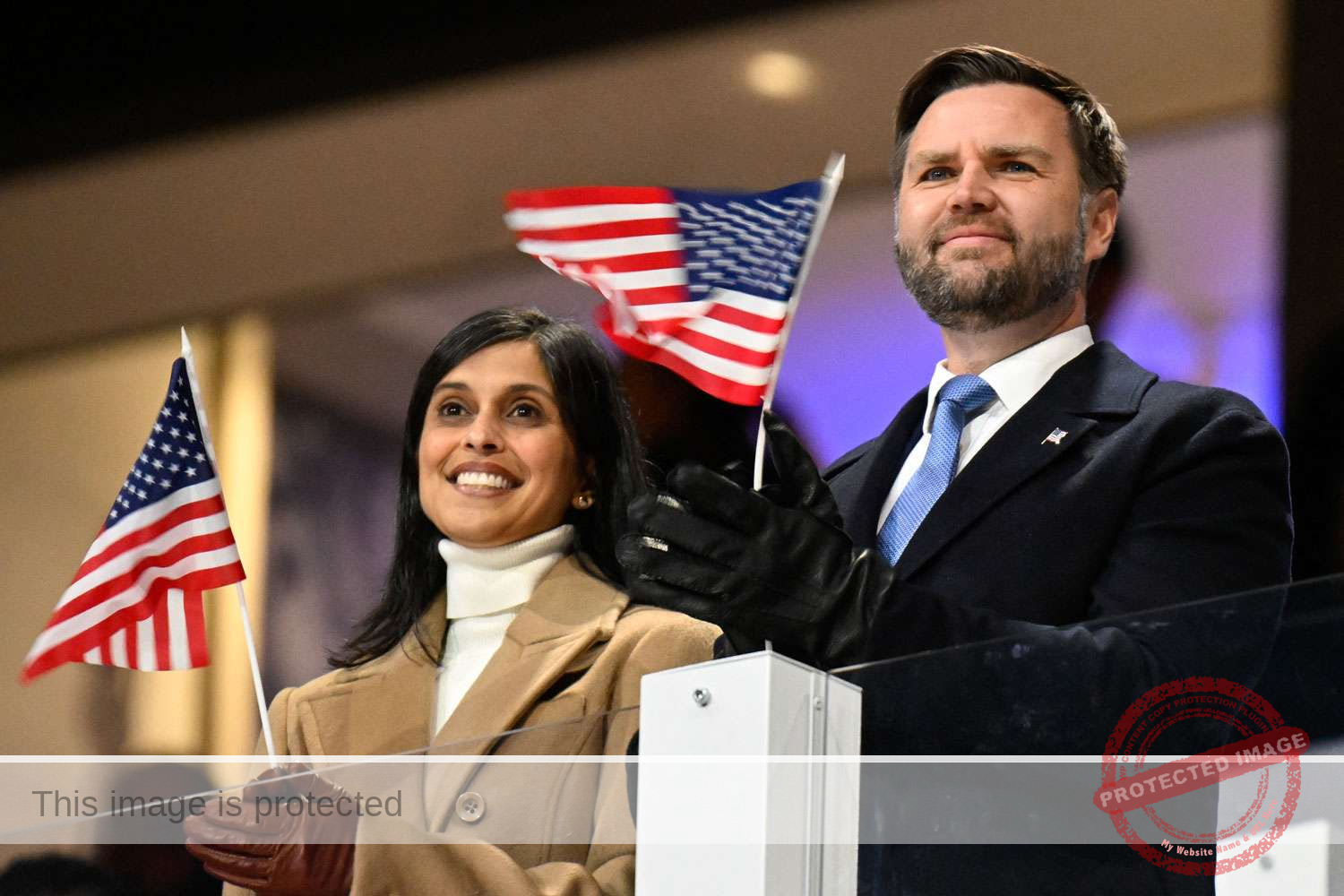
Vance attended the opening ceremony in Italy, where his appearance on the stadium screen reportedly drew boos from parts of the crowd — a reminder that American political tensions are being watched abroad, too.
Athletes Wrestling With Representation
For some athletes, staying silent hasn’t felt like an option.
Freestyle skier Chris Lillis spoke candidly at a press conference, saying he felt “heartbroken” about recent events in the United States, including immigration enforcement actions and protests.
He made clear he would never want to represent another country — but also said he believes Americans must respect one another’s rights.
Hunter Hess, another freestyle skier, described representing the U.S. as bringing “mixed emotions.”
Wearing the flag, he explained, doesn’t mean he agrees with every policy or decision made by the government.
His comments drew sharp criticism from former President Donald Trump, who posted on social media that he found it “hard to root for” the skier and suggested he should not have tried out for the team.
The Cost of Speaking Up
Figure skater Amber Glenn also addressed the issue directly.
Politics affects daily life, she said, and athletes are not immune to that reality.
Days later, Glenn announced she would step back from social media after receiving what she described as a “scary” level of hate and threats.
Olympic rugby bronze medalist Ilona Maher added her voice on Instagram, writing that cheering “Go USA” doesn’t mean endorsing every action taken by the government.
For her, she said, it’s about supporting fellow athletes and the idea of a country that strives to live up to its values.
A Larger Conversation Playing Out
The backdrop to these comments is a heated national debate over immigration enforcement.
Recent federal actions — including high-profile detainments and fatal shootings involving agents — have sparked protests across the United States and abroad. Demonstrators in Milan gathered during the Games, linking Olympic visibility to broader political concerns.
The Olympics have long been a stage where politics and sport intersect, sometimes quietly, sometimes dramatically.
What feels different now is how immediate and amplified the reaction can be. A press conference comment can circle the globe in minutes. A social media post can spark thousands of responses — supportive or hostile — before an athlete’s next event begins.
Why It Resonates Beyond the Podium
For many Americans watching from home, the debate raises familiar questions.
Should athletes stick to sport? Or are they citizens first, with the same right to speak as anyone else?
There is no simple answer. The tension reflects a country that is deeply divided, yet still united — at least for a moment — by the sight of its athletes competing on the world stage.
In the end, the medals will be counted. Records will fall.
But long after the closing ceremony, the conversation about voice, responsibility, and representation will likely continue — not just in stadiums, but around kitchen tables and in living rooms across the country.
