


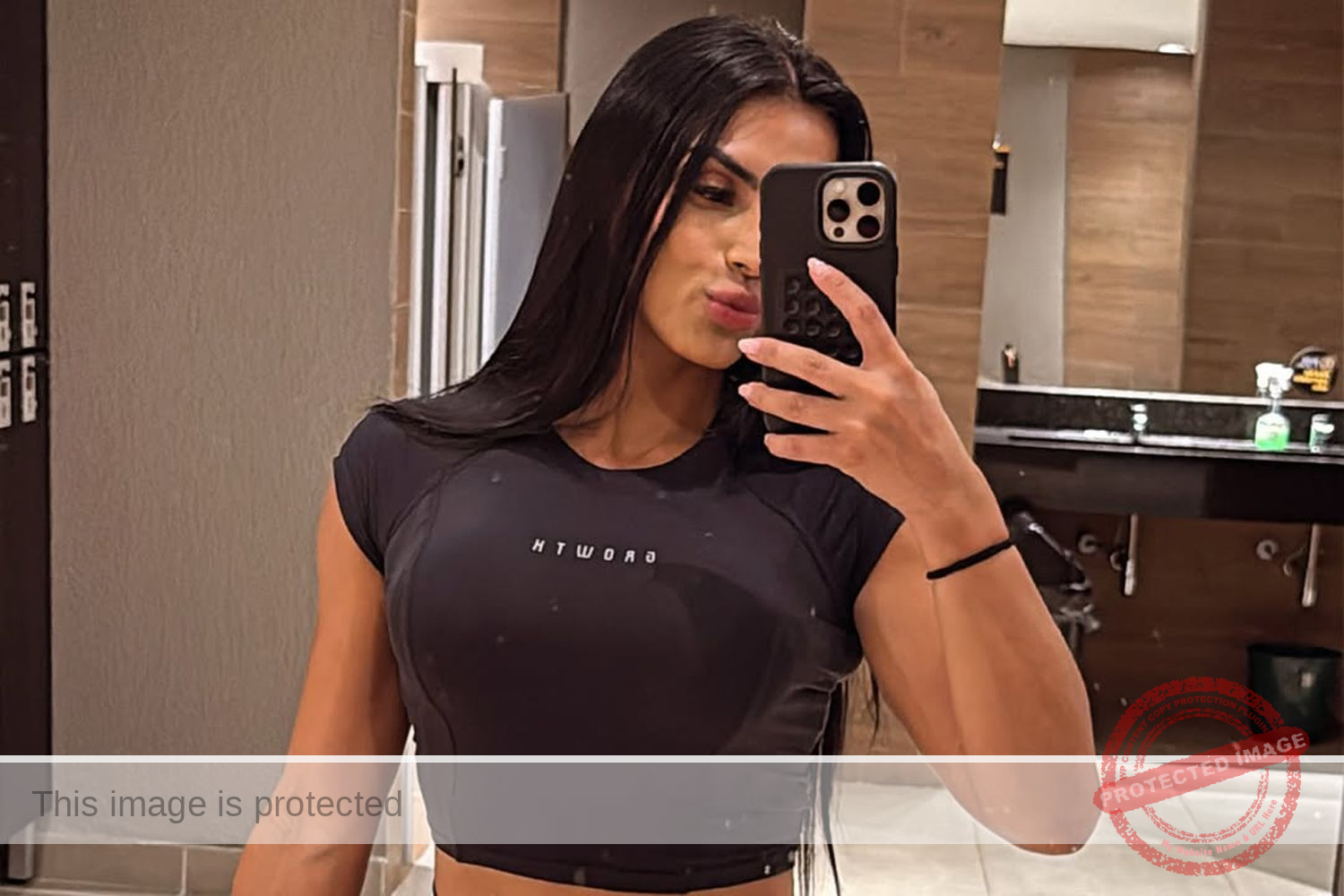
For many people scrolling through social media, wellness advice now comes as often from influencers as it does from doctors. That blurred line is at the center of a new investigation in Brazil involving popular online personality Larissa da Silva Caetano Anunciação, known to followers as Larissa Caetano.
Authorities say the fitness influencer and her husband were arrested on Feb. 24 on suspicion of illegally selling prescription weight-loss medications to her online audience — an allegation that has sparked wider conversations about health advice in the age of social media.
The case remains under investigation, and no court verdict has been reached.
Allegations Linked to Social Media Sales
Police allege that Caetano used her large Instagram following — nearly 400,000 people — along with her identity as a nurse to promote and sell medications intended for medical supervision.
Among the drugs mentioned by investigators is tirzepatide, commonly sold under the brand name Mounjaro, a prescription medication increasingly associated with weight loss treatments.
Authorities claim she was not legally authorized to distribute or sell these medications, making the transactions unlawful under Brazilian regulations.
If convicted, prosecutors say she could face charges tied to crimes against public health and economic offenses, carrying potential penalties of up to 20 years in prison.
A Carefully Built Online Persona
Caetano’s online presence centers on transformation and self-improvement. She regularly shares photos documenting her own weight-loss journey, motivational captions, and recommendations for supplements and wellness products.
Investigators also examined a secondary Instagram account, followed by about 8,000 users, where Caetano presented herself as a nurse and posted images involving syringes, sometimes appearing to inject her own lip.
Authorities are reviewing whether these posts contributed to followers’ trust in purchasing medical treatments directly from her.
The Growing Market for Weight-Loss Treatments
The investigation comes amid global demand for new weight-loss medications, many originally developed for diabetes treatment but increasingly discussed online as lifestyle solutions.
Health regulators worldwide have warned that these drugs require medical oversight due to possible side effects and individualized dosing needs. Unauthorized sales, officials say, can expose buyers to risks ranging from improper use to counterfeit products.
The popularity of influencers in the health and fitness space has complicated enforcement, as personal storytelling often blends with commercial promotion.
Why the Case Resonates Beyond Brazil
At its heart, the story reflects a modern dilemma: people increasingly turn to relatable online figures for health guidance, especially when traditional healthcare systems feel expensive, slow, or intimidating.
Influencers often build trust through vulnerability — sharing personal struggles with weight, confidence, or wellness. That emotional connection can make recommendations feel more personal than advertising, even when medical products are involved.
For regulators, the challenge is keeping pace with a digital marketplace where advice, marketing, and medicine can appear indistinguishable.
A Moment of Reflection for the Online Wellness World
As investigators continue their work, the case has become part of a broader global conversation about responsibility in the influencer economy.
Social media has made health stories more accessible and more human — but it has also raised new questions about expertise, authority, and safety.
For followers scrolling through transformation photos and wellness tips, the situation serves as a quiet reminder that behind every post promising change lies a complicated intersection of trust, commerce, and care.
