


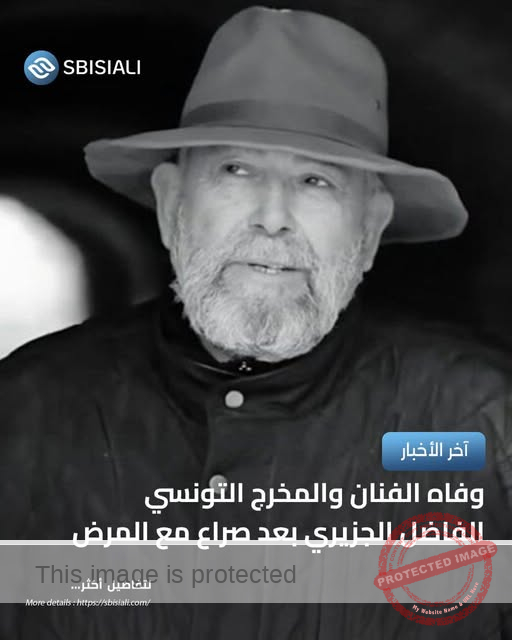
Fadhel Jaziri Death and Obituary – Fadhel Jaziri, the celebrated Tunisian film director, actor, and writer, passed away on August 11, 2025, at the age of 77, after a prolonged illness. His death marks the end of an era for Tunisia’s cultural scene, where he stood as one of the most influential figures in theatre, cinema, and stage creation for over five decades.
Born in 1948, Jaziri’s artistic journey began in the theatre world, where he co-founded groundbreaking groups such as Théâtre Nouveau in the 1970s. These collectives challenged traditional forms and embraced avant-garde storytelling, often addressing social issues, identity, and Tunisia’s evolving political climate. His innovative stage productions redefined performance art in the country, blending modern theatrical techniques with rich Tunisian traditions.
Jaziri’s creative impact extended far beyond the theatre. In cinema, he earned acclaim both domestically and internationally for works that showcased Tunisia’s cultural heritage and explored the complexities of its society. As a director, his films were celebrated for their lyrical storytelling and visual elegance, often weaving together folklore, music, and history. His most notable works, including Thalatun (Thirty) and El-Hadhra, were praised for their artistic ambition and for giving voice to Tunisian narratives on the world stage.
Perhaps his most enduring legacy lies in his pioneering stage productions such as El-Hadhra: Hommage au patrimoine spirituel tunisien, which premiered in the late 1990s and became a cultural phenomenon. This musical and theatrical celebration of Tunisia’s Sufi heritage has been performed countless times to enthusiastic audiences at home and abroad. Jaziri’s meticulous attention to detail, coupled with his passion for preserving and revitalizing heritage, made El-Hadhra more than a performance — it became a national treasure.
Over the years, Jaziri was widely recognized as a cultural visionary. His work earned him numerous awards, honors, and the deep respect of fellow artists. He was known not only for his artistry but also for his mentorship, nurturing young talents and encouraging bold creative expression. His contributions helped establish Tunisia as a vibrant hub for Arab and Mediterranean performing arts.
Colleagues and admirers have described him as a man of immense creative energy, whose projects often blurred the boundaries between theatre, cinema, and music. His passing leaves a void that will be difficult to fill, as few artists have managed to combine such mastery of form with a genuine commitment to cultural preservation and innovation.
In the wake of his death, tributes have poured in from across Tunisia and the international arts community. Cultural institutions, fellow artists, and audiences have expressed profound grief, highlighting his role in shaping the country’s modern artistic identity.
Fadhel Jaziri’s legacy will endure in the countless performances, films, and memories he has left behind. His life’s work was a testament to the power of art to bridge past and present, to inspire change, and to celebrate the beauty of cultural heritage. In Tunisia’s theatres, cinemas, and festival stages, his spirit will continue to echo for generations to come.
