


Some films fade into nostalgia. Others linger — quietly shaping how stories are told long after the credits roll.
Thirty-five years after its release, The Silence of the Lambs remains one of those rare movies that still feels unsettlingly present. What began as an adaptation of Thomas Harris’ bestselling novel evolved into a psychological thriller that permanently altered the tone of Hollywood suspense.
Even now, its influence can be felt in crime dramas, prestige television, and the way audiences think about villains.
The performance that changed everything
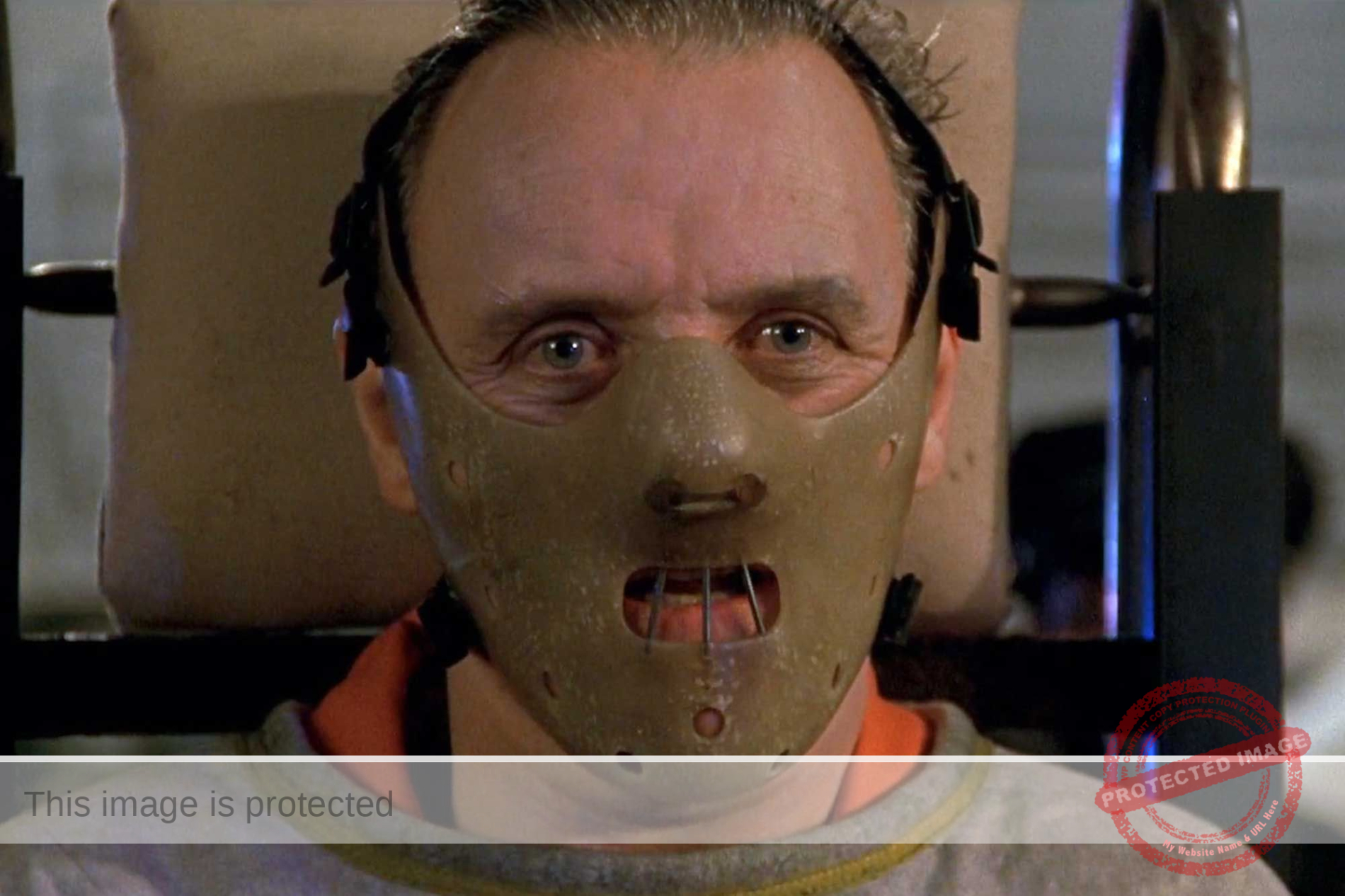
At the center of the film’s lasting power is Anthony Hopkins’ portrayal of Dr. Hannibal Lecter — a brilliant psychiatrist and imprisoned killer recruited by the FBI to help track another murderer.
The role nearly went to other actors before Hopkins was cast. His approach, however, proved distinctive. Rather than emphasizing horror, he focused on restraint and psychological complexity.
Hopkins later explained that playing evil directly felt false. Instead, he leaned into calmness, intelligence, and stillness — choices that made Lecter far more unsettling than overt menace ever could.
Opposite him, Jodie Foster played FBI trainee Clarice Starling, whose tense conversations with Lecter became some of the most memorable scenes in modern film.
Their exchanges relied less on action than on silence, eye contact, and emotional vulnerability — an unusual formula for a thriller at the time.
Drawing from a personal past
Hopkins’ performance was shaped not only by the script but by his own childhood in Port Talbot, Wales.
He has spoken about growing up feeling isolated and unsure of where he belonged, experiences that later informed the emotional interiority he brought to his characters. Acting, he said, became a form of escape and control during difficult years.
As a young boy, impersonation and storytelling helped him navigate feelings of alienation. Decades later, those instincts resurfaced in the creation of Lecter — a character defined as much by loneliness as by danger.
Darkness on screen, lightness on set
Despite the film’s disturbing themes, the atmosphere behind the camera was unexpectedly playful.
Director Jonathan Demme recalled Hopkins frequently joking with cast and crew, sometimes sneaking up on colleagues while fully in character. The humor, Demme said, helped relieve tension during emotionally demanding scenes.
That balance — seriousness in performance paired with levity off-camera — helped sustain the production through its darker material.
A rare sweep and lasting influence
When the film premiered in 1991, critical response was immediate and overwhelming. It went on to win the Academy Awards’ “big five”: Best Picture, Best Director, Best Actor, Best Actress, and Best Adapted Screenplay — an achievement accomplished by only a handful of films in history.
More importantly, it reshaped expectations for thrillers. Psychological depth began to replace spectacle, and villains became more intellectually complex.
Today’s prestige crime storytelling — from streaming dramas to investigative series — still echoes its structure and tone.
Why the film still resonates
Part of the movie’s endurance lies in its contradictions. It is frightening without relying on excess violence, intimate despite its scale, and philosophical beneath its suspense.
Audiences are drawn not only to the mystery but to the emotional duel between two lonely individuals trying, in different ways, to understand human darkness.
Hopkins, now reflecting decades later, has described the role as one of the finest he ever read — a reminder that sometimes the right character arrives at exactly the right moment in an actor’s life.
A story that refuses to fade
Thirty-five years on, The Silence of the Lambs continues to feel less like a relic and more like a conversation still unfolding.
Perhaps its power comes from what it never fully explains. The film leaves space for discomfort, curiosity, and reflection — qualities that rarely age.
And in that quiet space between fear and fascination, its voice still lingers.
