


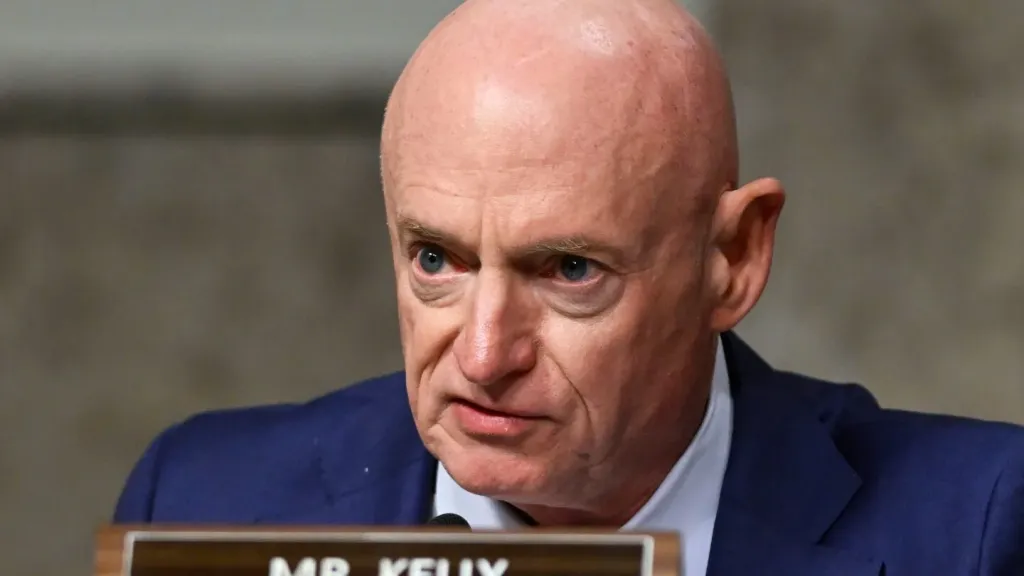
WASHINGTON – The Pentagon is reviewing a video featuring Senator Mark Kelly, a former Navy pilot, which discusses the importance of troops refusing “illegal orders.” This review has sparked debate among legal experts, particularly regarding whether military law is being correctly applied in this situation.
Some argue that the Pentagon’s scrutiny of Kelly is a misinterpretation of military regulations, considering his status as a retired officer. Others question whether, as a sitting member of Congress, Kelly can be subject to military prosecution. A number of former military prosecutors maintain that Kelly’s statements were within appropriate bounds.
The investigation was announced after concerns were raised about the video’s message, especially regarding the potential for misinterpretations concerning lawful orders within the military.
Defense Secretary Pete Hegseth clarified that the inquiry into Kelly is due to his formal retirement from military service, placing him under the Pentagon’s jurisdiction, unlike the other Democratic lawmakers featured in the video.
Kelly has dismissed the investigation, asserting that it would not prevent him or his colleagues from carrying out their responsibilities in holding the government accountable.
Experts on military law have noted an increase in cases involving retired service members over the past decade, though prosecuting retirees for actions taken after their service is considered unusual.
Colby Vokey, a civilian military lawyer and former prosecutor, suggests the legal basis for investigating Kelly is questionable, particularly since the senator’s statements were made in his capacity as a legislator.
A group of former military lawyers, the Former JAGs Working Group, released a statement defending Kelly, asserting that the video simply explained the difference between lawful and unlawful orders, without encouraging disobedience.
Charles Dunlap, a Duke University law professor and retired Air Force lawyer, noted that military law can impose speech restrictions on service members that would be unconstitutional for civilians. However, the key legal question remains whether such restrictions can apply to a retired individual.
Michael O’Hanlon from the Brookings Institution believes any case against Kelly is unlikely to succeed, especially since Kelly made the statements as a civilian.
The investigation also raises questions about the separation of powers, as outlined in the Constitution, potentially safeguarding members of Congress from executive overreach. Anthony Michael Kreis, a constitutional law professor at Georgia State University, argued that subjecting a senator to discipline at the direction of the Secretary of Defense and the President could infringe on the principle of legislative independence.
