


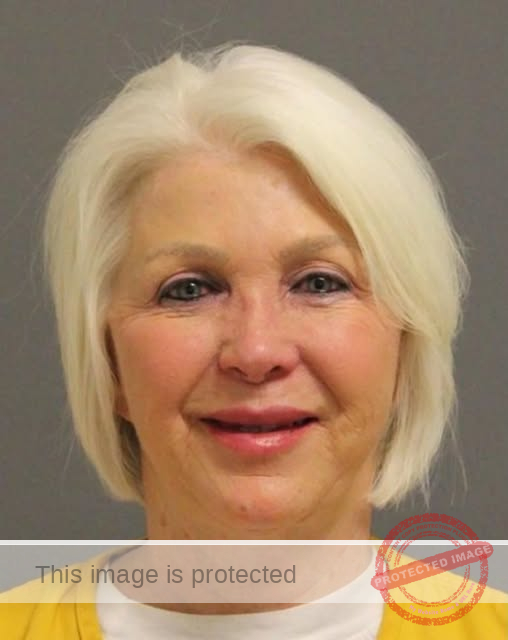
Washington, D.C. – Former President Donald Trump announced on Thursday evening that he would be granting a pardon to Tina Peters, the former Mesa County clerk from Colorado, who is serving a nine-year sentence for her involvement in allowing unauthorized access to voting machines. This move has sparked significant debate, as it challenges the conventional interpretation of the president’s pardon power, which is typically understood to apply only to federal crimes.
What Happened: The Case of Tina Peters
Tina Peters was convicted in October 2024 on seven charges, including three counts of attempting to influence a public servant and one count of conspiracy to commit criminal impersonation. Her conviction stemmed from a scheme in which she allegedly allowed an unauthorized person to access Mesa County’s voting machines. The images of the county’s voting equipment later appeared online, fueling allegations of election fraud that were largely pushed by Peters and others aligned with Trump’s claims that the 2020 election was stolen.
The incident occurred in 2021, when Peters became fixated on the false claims of voting machine manipulation, which she spread alongside national figures. Peters, a former candidate for Colorado secretary of state, maintained that her actions were not intended to break the law. However, at her sentencing hearing, Judge Matthew Barrett described her as a “charlatan” and criticized her defiant attitude.
In August 2025, Peters was denied release while she appeals her conviction, with a federal magistrate judge rejecting her request for bond. Trump, who has taken a personal interest in her case, warned in a statement that “harsh measures” would be taken if she wasn’t freed from custody, suggesting the possibility of a pardon.
Trump’s Pardon: Legal and Constitutional Questions
Trump’s announcement of a pardon for Peters has raised eyebrows, as it challenges the traditional boundaries of presidential power. Under the U.S. Constitution, the president has the authority to grant pardons for “Offenses against the United States,” which are understood to apply only to federal crimes. However, Peters’ conviction pertains to state law violations, which has prompted legal experts to question whether the pardon power could extend to state-level offenses.
Peters’ attorney, Peter Ticktin, suggested that Trump’s pardon power might apply in this case, proposing an unconventional theory that the president could pardon state crimes. Ticktin acknowledged that this issue had never been tested in court, and legal scholars have expressed skepticism about the legality of such a move.
Public and Legal Reactions
The announcement of Trump’s pardon has ignited strong reactions from both legal and political communities. Colorado Secretary of State Jena Griswold condemned the move, stating that “Tina Peters was convicted by a jury of her peers for state crimes in a state court,” and that Trump’s interference represented a violation of state sovereignty. Griswold emphasized that the president’s intervention undermines the integrity of the constitutional separation between federal and state powers.
Colorado Attorney General Phil Weiser also expressed concerns, calling the pardon an “outrageous departure from what our constitution requires.” He further stated, “The idea that a president could pardon someone tried and convicted in state court has no precedent in American law.”
The Controversy Around Trump’s Pardon Decisions
Trump’s actions in pardoning Peters also mirror his previous decisions, where he granted pardons to individuals involved in attempts to overturn the 2020 election, including figures from the Capitol riot on January 6, 2021. His continued focus on individuals who promote unsubstantiated election fraud claims has drawn significant criticism from Democrats and legal experts, who argue that it undermines the rule of law and public trust in the legal system.
What Happens Next: Legal Challenges and State Pushback
As the legal debate over Trump’s authority to pardon a state crime unfolds, the case of Tina Peters remains under intense scrutiny. Legal experts anticipate that this issue could be brought before the courts, potentially setting a new precedent for presidential powers. In the meantime, Peters’ case continues to divide opinion, with many Colorado officials reaffirming their commitment to upholding state sovereignty and the independence of the state judicial system.
As the story develops, the public will be closely watching whether Trump’s pardon of Tina Peters stands in the face of constitutional challenges and how it impacts the ongoing legal and political landscape.
This story may be updated with more information as it becomes available.
The post Trump Grants Pardon to Former Colorado Clerk Tina Peters Amid Controversial Legal Battle first appeared on Trusted and Verified USA News.
