


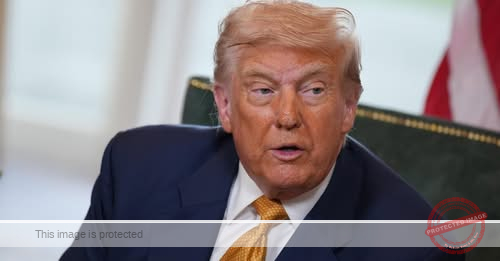
US President Donald Trump is set to host a “peace summit” on Friday between long-time adversaries Armenia and Azerbaijan at the White House. Trump made the announcement via his Truth Social platform, revealing that Azerbaijani President Ilham Aliyev and Armenian Prime Minister Nikol Pashinyan would both be attending the summit.
What Happened
Trump shared that the summit would include an official “Peace Signing Ceremony,” with both leaders agreeing to sign deals focused on energy, technology, economic cooperation, border security, infrastructure, and trade. This event marks a significant diplomatic effort to bring an end to decades of hostility between Armenia and Azerbaijan, which have fought two wars over the disputed Nagorno-Karabakh region.
White House spokeswoman Anna Kelly confirmed that the summit aims to provide a platform for both nations to seek peace and explore economic opportunities in the South Caucasus region, which has long been at the center of geopolitical tension.
The History Between Armenia and Azerbaijan
The history between Armenia and Azerbaijan has been fraught with conflict, primarily over the Nagorno-Karabakh region. The two nations, both former Soviet republics, have gone to war twice over this disputed area. In 2023, Azerbaijan recaptured Nagorno-Karabakh in a military offensive, displacing more than 100,000 ethnic Armenians from the region.
Despite numerous attempts at diplomacy, including recent talks in the United Arab Emirates, a breakthrough has been elusive. Trump acknowledged the long-standing nature of the conflict, stating, “These two nations have been at war for many years, resulting in the deaths of thousands of people.” He also emphasized that “many leaders have tried to end the war, with no success, until now, thanks to ‘TRUMP.’”
Key Issues and Challenges
One of the key sticking points in the peace process is Azerbaijan’s demand for Armenia to dissolve the OSCE Minsk Group and remove any constitutional claims over Nagorno-Karabakh. These demands are a significant hurdle for Armenia, where Prime Minister Pashinyan’s popularity is waning. Security expert Olesya Vartanyan noted that any constitutional changes could lead to a domestic crisis in Armenia, where internal dissent is already growing.
The summit, however, is a reflection of the growing influence of the United States in the South Caucasus peace process, particularly as Russia’s role in the region has diminished. Experts suggest that Washington’s increased involvement is reshaping the dynamics of the peace efforts.
Trump’s Diplomatic Efforts and Nobel Peace Prize Nomination
Trump’s efforts to mediate peace between Armenia and Azerbaijan come just one day after Cambodian Prime Minister Hun Manet nominated him for a Nobel Peace Prize. Trump has long touted his diplomatic initiatives, and he expressed pride in the negotiations, claiming that Friday would be a “Historic Day for Armenia, Azerbaijan, the United States, and the World.”
The nomination follows Trump’s repeated efforts to end the war in Ukraine, though his attempts have yielded limited success as Russia’s full-scale invasion continues with no resolution in sight. The peace summit in Washington also comes amid ongoing conflicts elsewhere, including in Gaza, where the US remains a key player in supplying weapons to Israel.
Looking Ahead
As the summit draws near, all eyes will be on the White House for what is being billed as a historic opportunity to bring peace to the South Caucasus. The success or failure of these talks could have far-reaching implications for the region’s stability, as well as for US foreign policy in the broader Middle East and Europe.
The post US President Donald Trump to Host “Historic Peace Summit” Between Armenia and Azerbaijan at the White House first appeared on Trusted and Verified USA News.
