


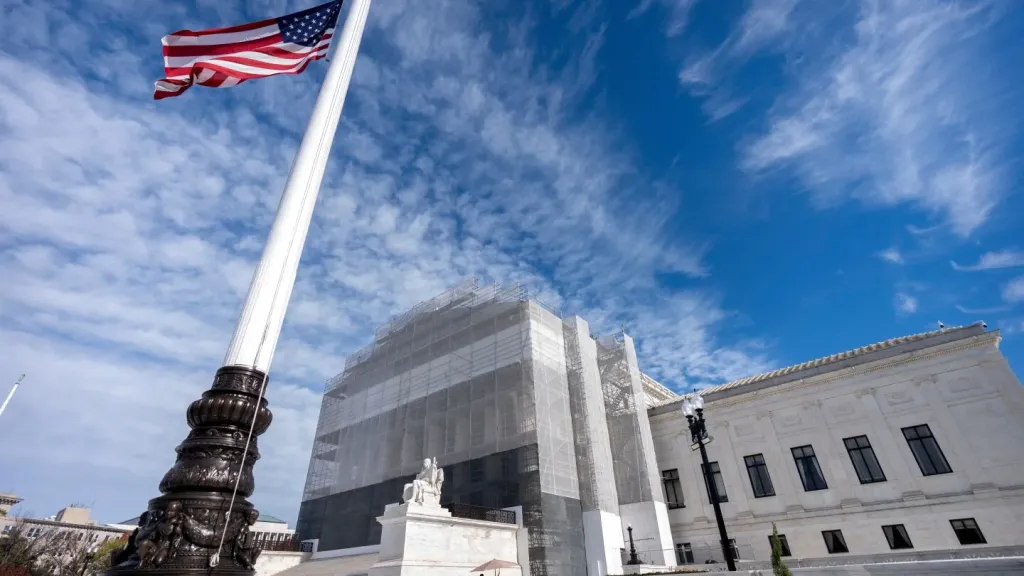
The Supreme Court is preparing to discuss a significant issue: President Trump’s order regarding birthright citizenship. This order clarifies that children born to parents who are in the U.S. illegally or temporarily should not automatically become American citizens.
The justices will meet privately to decide whether to hear President Trump’s appeal. Lower courts have previously ruled against the citizenship restrictions. An announcement on whether the court will take up the case could come soon. If the court decides to hear the case, arguments would likely be held in the spring, with a final decision expected by early summer.
President Trump’s order, signed at the start of his second term, aims to reinforce the value of American citizenship.
The administration argues that the current interpretation of birthright citizenship encourages illegal immigration and strains resources. They believe that a more careful approach is needed to protect the integrity of citizenship.
Lower courts have cited the 14th Amendment, which grants citizenship to those born in the U.S., as grounds for opposing the order. However, the administration maintains that the children of non-citizens are not fully “subject to the jurisdiction” of the United States, and therefore are not automatically entitled to citizenship.
Solicitor General D. John Sauer emphasized the importance of the case, stating that the lower court decisions undermine border security by granting citizenship to those not lawfully entitled to it.
