


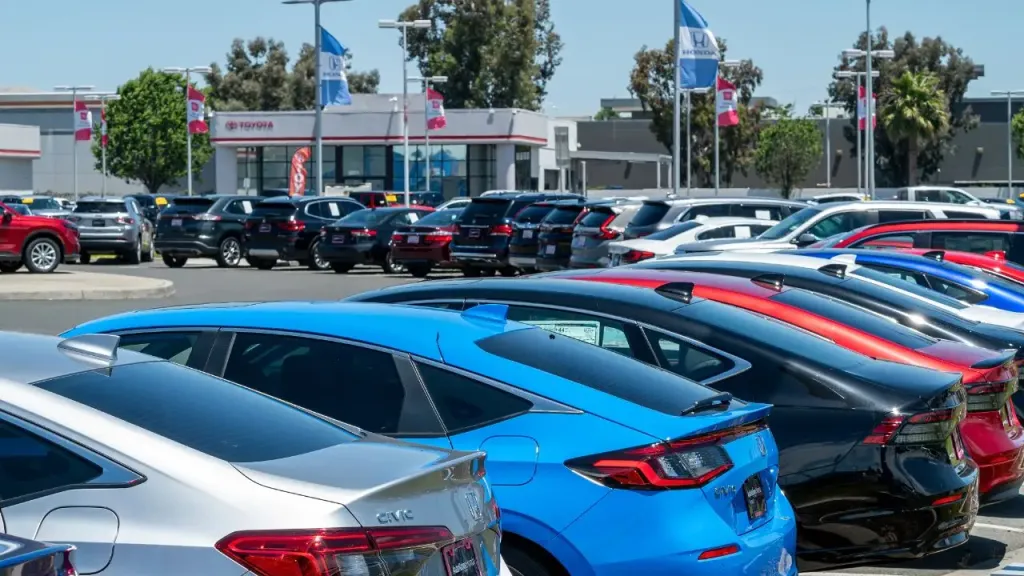
New car prices are on the rise, reaching an average of nearly $50,000 for the first time. This significant increase has made it tough for many buyers trying to navigate the current vehicle market.
In October, the average cost of a new car hit $49,105, reflecting a 3.1% increase compared to the same time last year. Ivan Drury, director of insights at Edmunds, pointed out that rising prices are partly driven by the growing popularity of electric vehicles (EVs), which typically come with higher price tags.
Drury noted, “If you haven’t visited a dealership in six years, you might be shocked to see that the average transaction price is almost $10,000 more than the last time you bought.” Many trade-ins are older models, roughly five to six years old, making the jump in prices more startling for those looking to upgrade.
Monthly payments on new vehicles also climbed, averaging $766 in October, a rise of 3.2% from last year. Although interest rates for new auto loans dipped slightly from 7% to 6.9%, buyers are still facing higher overall financing costs compared to previous years.
For those with older vehicles, financing a new car can be expensive. Drury explained that borrowers are seeing an average interest of around $9,500 over a typical six-year loan for a vehicle costing $43,000. This means that buyers are not just paying for the car but also an added premium for the loan.
To help counteract the financial strain, dealerships are offering more discounts. The average discount for buyers reached approximately $2,240 in October, showing that dealerships are trying to entice customers despite rising sticker prices and interest rates.
As buyers adjust to this new landscape, the used car market also faces its own challenges, with affordability concerns remaining at the forefront. The car-buying experience has become increasingly complex, and potential buyers must be prepared to navigate these changes carefully.
