


Obamacare Subsidy Fix Stalls in Senate
Washington D.C. – Hopes for a quick, bipartisan solution to the expiring Obamacare subsidies are dimming as the Senate prepares for a crucial vote next week. These subsidies, designed to help people afford health insurance, have become a sticking point between Republicans and Democrats.
Senate Democrats had previously emphasized the importance of these subsidies, even using them as a key point during a recent government shutdown. Now, Republicans are pushing for reforms to the current system. One idea involves giving the subsidy money directly to individuals through Health Savings Accounts (HSAs), rather than to insurance companies. This approach, previously suggested by President Trump, aims to give people more control over their healthcare dollars.
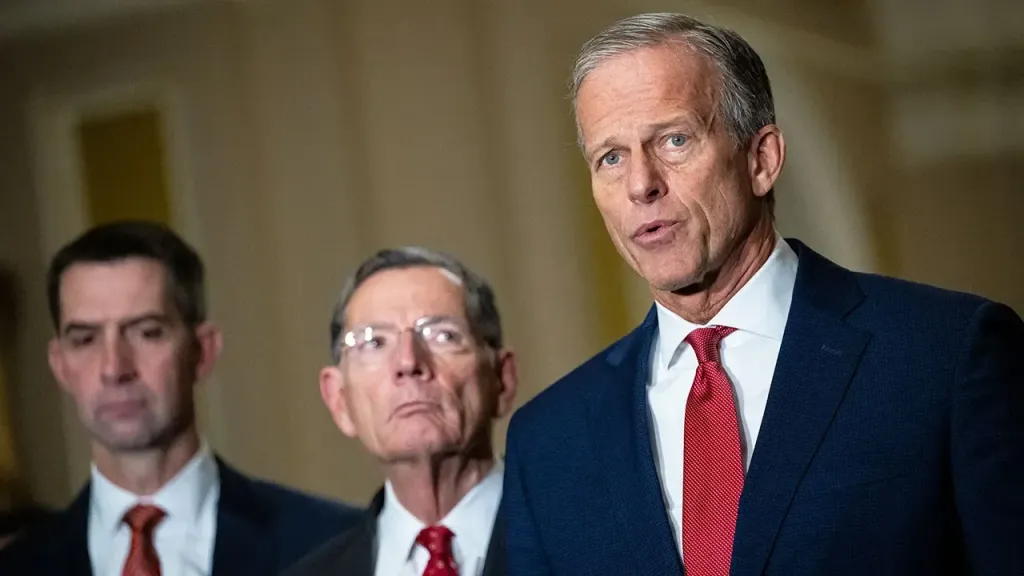
Senator John Thune, a leading Republican, says he intends to hold a vote next week, as promised, even if a bipartisan agreement isn’t reached. The challenge is finding a plan that can garner the necessary 60 votes to overcome potential opposition in the Senate.
Republicans argue the current subsidy system isn’t sustainable. They believe directing funds to HSAs would make healthcare more affordable and empower individuals to make better choices for their health needs.
Senator Bill Cassidy, another key Republican involved in the discussions, suggests pre-funding HSAs with a set amount, like $2,000, to help people manage their healthcare expenses. He argues this would offer a more workable, day-to-day solution compared to the existing Obamacare structure.
However, Democrats seem to prefer a simple extension of the current subsidies, though some are open to discussing reforms later. This difference in approach makes finding common ground difficult.
Senator John Kennedy said, “it would take ‘divine intervention’ for Republicans to agree on a plan to vote on by Thune’s deadline next week.”
With the deadline fast approaching, the future of these healthcare subsidies remains uncertain. A failure to reach an agreement could mean higher insurance costs for many Americans, highlighting the need for a responsible and sustainable healthcare solution.
