


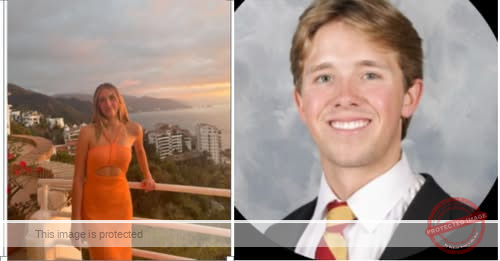
August Bargreen walked into a room and people noticed — not for flash, but for the steady warmth he brought to friends, study groups and the fraternity house he led. The University of California San Diego community is reeling after Bargreen, an international business major who also pursued a finance minor, died over the past weekend; campus officials are treating his death as a suspected suicide and have urged anyone affected to use counseling and crisis resources the school has made available.
Friends remember Bargreen as outgoing in the gentlest way: the kind of student who balanced classwork and leadership while still finding time to check on people. He served as president of his fraternity, earned praise for his academic focus, and was described repeatedly by classmates as motivated and deeply supportive — someone who made a point of showing up. In conversations and on social posts since the news broke, peers have called him a beloved son, brother and friend whose absence is felt across dorm floors and classrooms.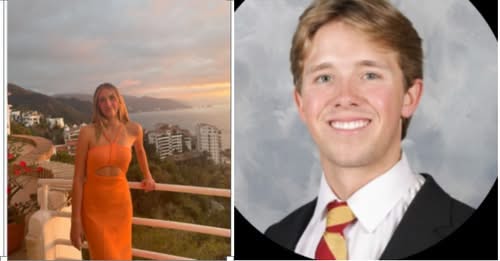

The shadow of loss runs deeper for Bargreen’s circle because his passing comes only months after the death of his girlfriend, Sonja Johanna Strom, a UC San Diego chemical engineering student from Castle Rock, Colorado, who died in early September. Strom — remembered by her fraternity’s sister chapter and by family — was celebrated for her leadership as Vice President of New Member Education & Member Experience with Alpha Phi, her contagious positivity, and the way she worked to make others feel included.
Those who knew Strom painted a portrait of a young woman whose life blended rigorous study and community service with sports, volunteer work and a real affection for the people around her. Her family held a celebration of life on September 15 that honored her adventurous spirit and the close ties she had built at home and on campus; she is survived by her parents, Peter and Christine Strom, her sister Annika, and extended family. The loss of both students has intensified grief across sororities, fraternities and academic departments.
University leaders and student-affairs staff have been clear and immediate in their response: counseling services, crisis teams and memorial resources have been mobilized to support students, faculty and staff who are struggling. Administrators have emphasized connection — urging students to look out for one another and to use campus mental-health services — while also acknowledging that investigations into both deaths are active and that many questions remain unanswered. That combination of outreach and procedural caution is common in college communities facing sudden loss, but it does little to quiet the sense of shock that follows.
The reactions on campus show how closely knit student communities can be; vigils, quiet gatherings and social posts have multiplied as students share memories, photographs and the small details that made Bargreen and Strom who they were. Classmates recall late-night study sessions, leadership meetings, and the everyday kindnesses — a text, a coffee, a ride across campus — that feel so ordinary until they are gone. Those recollections are what students, housemates and teammates are clinging to now: the stories that make grief feel human rather than abstract.
For those outside the immediate circle, these twin losses are a reminder of how fragile life can feel on college campuses and how important it is to keep asking one another how we’re doing. UC San Diego has reiterated its resources and contact points for anyone in crisis; students have been encouraged to reach out to counseling centers, resident advisers and emergency services if they or someone they know is struggling. At the same time, friends and family continue to navigate private mourning — arranging remembrances, supporting one another, and asking for privacy as investigations move forward.
Grief is never linear, and in university life it often arrives in waves — a canceled class, a song in the dining hall, a familiar face who no longer drops by. As the campus processes what has happened, people are trying to keep the memories of Bargreen and Strom alive by sharing what they loved about them: leadership that wasn’t performative, laughter that was quick and genuine, and a devotion to community that made others feel seen. In the simplest ways, those recollections are the most durable legacy.
Photographs that capture those ordinary, luminous moments — a study-group selfie, a candid from a campus event, family portraits used in memorials — are being shared by friends and by family pages online as people look for ways to honor each life. If you or someone you know needs help processing this news, please contact UC San Diego’s counseling services or local crisis lines; if you’re moved to help the families, look for verified university or family statements before responding to fundraising requests. For campus communities, the small, steady work of care — checking in, listening, and connecting people to support — is how this moment will be remembered and, slowly, healed.
The post ‘August Bargreen’s Quiet Light’: UC San Diego Mourns a Student Who Made Campus Feel Smaller appeared first on Tripplenews.
