


The National Football League (NFL) is under the microscope as concerns rise about the consistency of pass interference penalties. This comes after a recent series of games where questionable calls sparked debate among fans and experts alike.
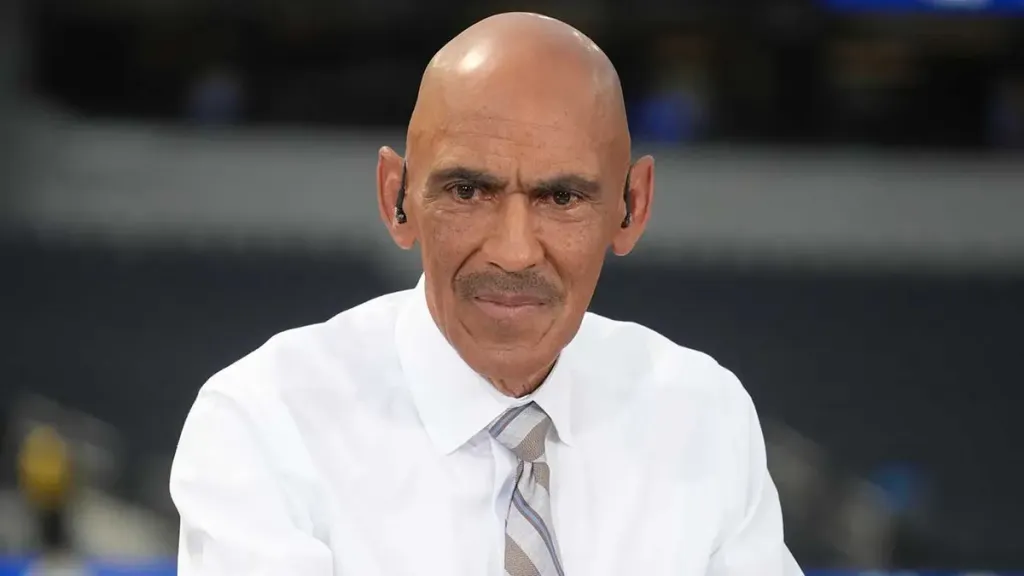
Tony Dungy, a former Super Bowl-winning coach, voiced his concerns about the issue. In a social media post, he suggested that the inconsistent application of these penalties raises questions about whether officials fully understand the rule. He noted that these penalties, which can result in significant yardage gains for the offensive team, are not being called consistently.
Pass interference occurs when a player illegally hinders an opponent’s opportunity to catch a pass. The penalty can be a spot foul, placing the ball where the interference occurred, or a significant yardage penalty from the line of scrimmage.
Dungy elaborated on his viewpoint, stating that he observed numerous instances of contact between defensive backs and wide receivers during games where pass interference could have been called, but wasn’t. He emphasized that his observation wasn’t simply a complaint, but rather a “statement of fact” after watching multiple games.
The debate surrounding pass interference isn’t new. The NFL previously experimented with making pass interference reviewable, but this didn’t resolve the issue of inconsistent calls.
Former NFL coach Jon Gruden has suggested that the league consider adopting the college football rule regarding pass interference. College rules often lead to less impactful penalties than those in the NFL. Gruden has argued that many pass interference calls greatly influence the outcome of games and that penalties should only be called when the infraction is clear.
The subjectivity of pass interference calls is a major point of contention. Some believe the current rules rely too heavily on the judgment of officials, leading to inconsistencies. Calls that seem obvious to some viewers may be overlooked by officials on the field, and vice versa.
The NFL’s officiating department faces the challenge of ensuring fair and consistent application of the rules. The league could potentially address the issue through further clarification of the rules, additional training for officials, or exploring alternative penalty structures. Reaching a consensus on what constitutes pass interference and how it should be penalized remains a challenge for the league.
The discussion surrounding pass interference calls highlights the ongoing effort to strike a balance between player safety, competitive fairness, and the flow of the game. The NFL is likely to continue evaluating the rule and its application in the coming seasons.
