


Voter confidence in the economy has been declining, impacting President Donald Trump’s approval ratings. Recent polling data shows that nearly 76% of voters perceive current economic conditions as “not so good” or “poor.” This alarming sentiment comes at a time when economic concerns were instrumental in Trump’s earlier return to the White House.
When examining personal finances, 60% of respondents rated their situations as not good or poor. Among various political affiliations, 61% of voters expressed disapproval of Trump’s economic management. While support remained strong among Republicans, with 77% approval, independent and Democratic voters showcased significantly lower confidence.
Interestingly, the majority of voters, about 62%, attribute the current economic situation more to Trump than to his predecessor, President Joe Biden, who garnered 32% of the blame. This perspective varies among party lines; Democrats were more likely to blame Trump, while a decent portion of Republicans held him partially responsible too.
Polling also revealed a stark view on tariffs implemented during the Trump administration. A significant 63% of voters criticized the administration’s handling of tariffs, showcasing a bipartisan consensus against them.
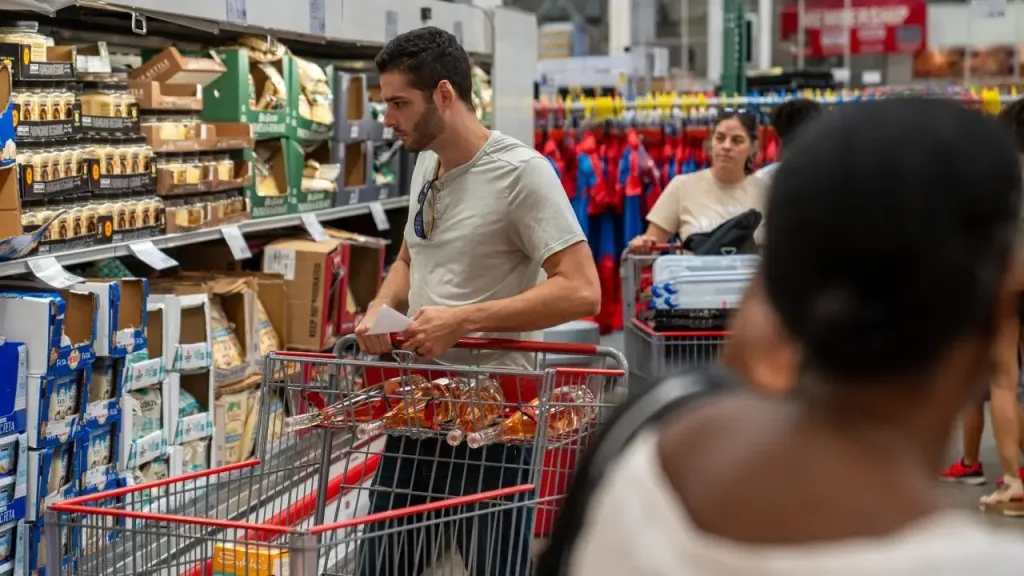
Inflation remains a major concern for Americans today. A clear 52% of those surveyed believe that inflation is “not at all” under control. Grocery costs top the list of worries, with 85% of participants reporting increases in grocery prices over the past year. Moreover, many voters also noted rising utility bills and healthcare expenses, which directly affect their day-to-day lives.
Pollster Daron Shaw pointed out that people’s struggles to afford everyday necessities are leading them to blame the current administration. He reflected on the intriguing aspect of Democrats politically benefiting from issues that they may have inadvertently exacerbated.
As the economic outlook continues to sour, the political landscape may shift significantly, as voters look for accountability and solutions to the pressing financial challenges they face.
