


The Transportation Security Administration (TSA) is considering a new fee for airline passengers who arrive at security checkpoints without acceptable identification. This proposal, published in the Federal Register, outlines an $18 non-refundable charge for using a “modernized alternative identity verification program.” This program would utilize biometric kiosks and personal information to confirm a traveler’s identity, potentially granting them access to the airport’s secure areas for up to ten days.
This new system and the associated fee are intended to streamline security procedures and reduce reliance on current, less consistent manual verification methods. The TSA argues that the $18 fee would help offset the costs of implementing and maintaining this resource-intensive technology.
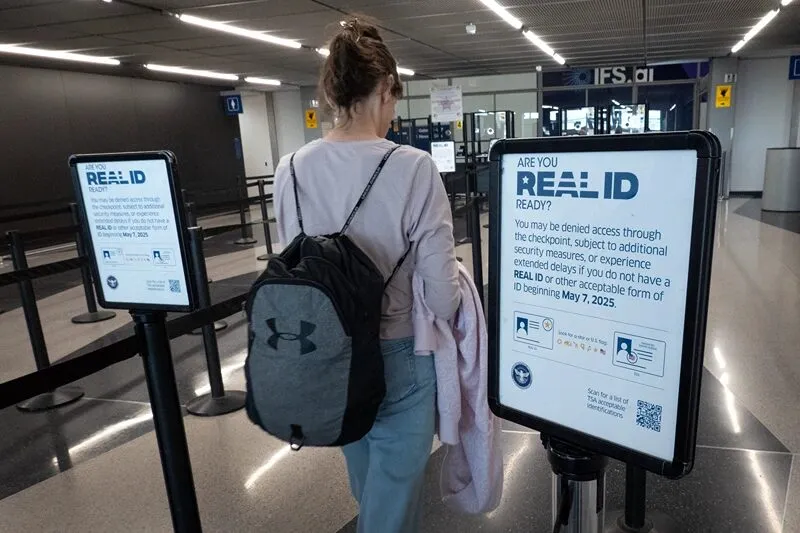
The proposed system comes as the federal government has been working to make air travel more secure. The REAL ID Act, passed in 2005 in response to the 9/11 attacks, established minimum security standards for state-issued driver’s licenses and identification cards. The goal is to prevent terrorists and other criminals from using fraudulent IDs to board planes or access federal facilities.
A TSA spokesperson stated that this proposal is a continuation of the REAL ID compliance efforts. The agency is working with various stakeholders to ensure security and efficiency at airport checkpoints.
Under the proposed system, passengers who lack REAL ID-compliant identification could use the biometric kiosks to verify their identity. If successful, they would be allowed to pass through security for up to 10 days. After that, they would need to repeat the verification process and pay the fee again.
However, the TSA emphasizes that using the kiosk does not guarantee access to the secure area. Travelers may still be subject to additional screening and potential delays. The agency notes that the current alternative identity verification process is time-consuming and requires significant resources.
The move toward stricter identification requirements has been largely supported by those who prioritize national security. Making it harder for individuals to use fake IDs helps to ensure that those who pose a threat are not able to easily board commercial aircraft.
While some may view the fee as an inconvenience, supporters argue that it is a necessary measure to improve security and reduce the burden on TSA personnel. Furthermore, the fee encourages travelers to obtain REAL ID-compliant identification, which further enhances security measures.
As the proposal moves forward, the TSA will be gathering public comments before making a final decision on the implementation of the fee and the new verification system. This process will allow for feedback from travelers, industry stakeholders, and other interested parties to ensure that the system is both effective and fair.
The proposed changes reflect a broader effort to balance security concerns with the need for efficient and convenient air travel. By investing in new technology and implementing stricter identification standards, the TSA aims to make air travel safer for everyone while minimizing disruptions to the traveling public.
