


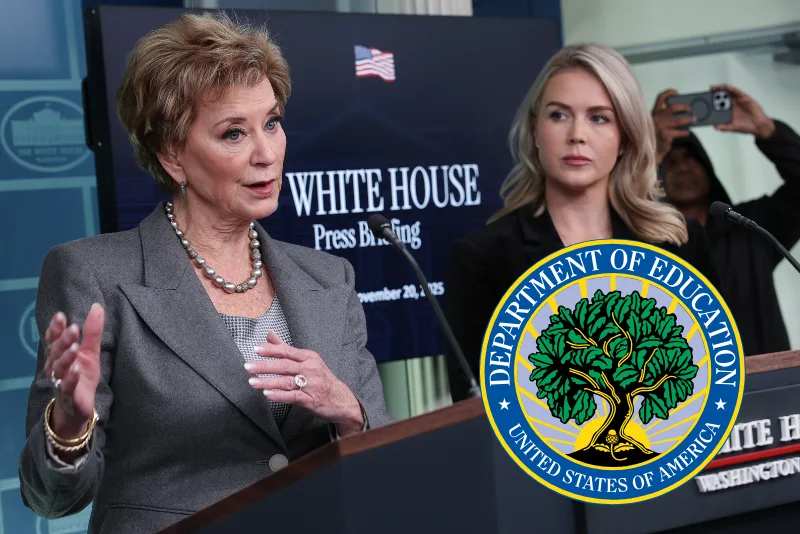
Education Secretary Aims to Empower States, Shrink Federal Role
Washington, D.C. – Education Secretary Linda McMahon recently addressed the nation, outlining the current administration’s commitment to reshaping the American education system. The core message: empower states and local communities, reduce the size and scope of the federal Department of Education, and prioritize parental involvement.
Secretary McMahon emphasized that the goal is to reverse the national decline in education by fundamentally changing how education is handled in the United States. This shift is a fulfillment of a key campaign promise, returning control to the states and ending what many see as unnecessary federal interference.
The debate over the Department of Education’s role has been ongoing for years. Many believe that a top-down approach, with Washington dictating education standards, has not led to improved outcomes. Despite significant increases in education spending over the decades, academic performance has remained stagnant or even declined.
Critics argue that federal involvement has created a costly bureaucracy, imposing regulations and initiatives that have diverted resources away from the classroom. Programs like No Child Left Behind and Common Core, while intended to improve education, have instead added layers of administration without producing substantial gains in student achievement.
Secretary McMahon highlighted the importance of local control, stating that education decisions are best made by those closest to the students – parents, teachers, and local school boards. By returning authority to the states, schools can tailor their curricula and teaching methods to meet the unique needs of their communities.
“Our aim is to empower families and local communities,” McMahon stated, “Parents know what’s best for their children, and local school boards are best equipped to address the specific challenges and opportunities within their schools.”
This shift in focus does not mean abandoning federal support for education. Funding for disadvantaged students and students with disabilities will continue. The focus is on streamlining the process and ensuring that funds are used effectively at the local level, without the burden of excessive federal oversight.
Recent actions within the Department of Education reflect this commitment. Several programs are being transferred to other federal agencies, reducing the department’s footprint and allowing for more efficient use of resources. This restructuring aligns with the President’s pledge to streamline government and eliminate unnecessary bureaucracy.
The Education Secretary has been actively engaging with members of Congress, seeking their support to make these changes permanent. By codifying these reforms into law, the administration hopes to ensure that future generations will benefit from a more localized and effective education system.
Key changes include the transfer of major programs to other federal departments, such as the Department of Labor, the Department of the Interior, and the Department of Health and Human Services. This move consolidates resources and reduces duplication, ultimately benefiting students and taxpayers.
The administration believes that a smaller, more focused Department of Education can better serve the needs of the nation’s students. By empowering states and local communities, and by prioritizing parental involvement, the United States can once again achieve excellence in education.
As Secretary McMahon stated, “Together, we will refocus education on students, families, and schools – ensuring federal taxpayer spending is supporting a world-class education system.”
The changes currently underway signal a significant shift in education policy, reflecting a belief in the importance of local control, individual liberty, and limited government. The coming months will be crucial as the administration works to solidify these reforms and ensure a brighter future for American students.
