


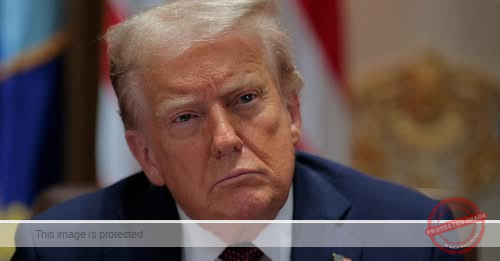
In a significant policy shift, President Donald Trump is extending his tariff strategy to include the pharmaceutical industry, a sector that has long remained unaffected by his trade agendas. This move follows previous tariffs on global imports such as vehicles, steel, and aluminum, marking a major expansion into drug pricing.
What Happened
For years, imported medications have enjoyed duty-free access to the United States, but recent discussions have suggested introducing a 15% tariff on specific European goods, including pharmaceuticals. Trump has hinted at imposing even higher tariffs—up to 200%—on drugs manufactured outside of the U.S., a move that has raised concerns among industry experts and healthcare professionals.
Who is Affected?
This new tariff proposal would affect both American consumers and international pharmaceutical manufacturers. While the goal is to lower drug prices for Americans, many are worried that the opposite effect could occur. By raising tariffs on imported medicines, it’s feared that the costs at the pharmacy counter could increase, as well as insurance premiums, creating further financial strain on low-income families and seniors who rely on affordable medications.
Maytee Pereira, a consultant at PwC, explained, “This industry could see tariffs jump from zero to potentially 200%,” a statement that has raised alarms regarding the financial repercussions for consumers.
Background or Timeline
Trump’s administration is also considering a delayed tariff implementation, allowing drug companies time to stockpile medicines and adjust their operations in preparation for the new policy. Some manufacturers are already ramping up imports, which could help cushion the effects of the tariffs for up to 18 months. However, experts suggest that the long-term impact could still be significant. A smaller 25% tariff could result in a 10% to 14% rise in drug prices once existing stockpiles run out.
The U.S. pharmaceutical trade deficit has been a persistent issue, reaching nearly $150 billion last year. The COVID-19 pandemic underscored the vulnerability of relying on foreign suppliers, particularly from countries with geopolitical tensions such as China. In response, the administration began exploring how imported drugs affect national security and whether tariffs could be legally justified under existing laws.
Public or Social Media Reaction
Trump’s proposed tariffs have sparked significant debate. While some of his supporters argue that tariffs could bring pharmaceutical manufacturing back to U.S. soil, ensuring a more stable supply of medications, others worry about the potential consequences for consumers, especially the elderly and low-income families who rely on affordable medications. Online discussions have centered around whether the long-term benefits of national security and domestic manufacturing outweigh the immediate costs to the average consumer.
Official Statement or What Happens Next
While the tariffs are not expected to take full effect for several years, the shift in policy has already prompted reactions from pharmaceutical companies. Major companies like Roche and Johnson & Johnson have committed to investing billions into U.S. operations, signaling a move toward domestic production. However, this transition will take time, with significant costs involved in building new plants and securing raw materials from U.S.-based suppliers.
The new tariffs could hit generic drug manufacturers hardest, as they tend to operate with smaller profit margins than brand-name drug companies. If tariffs force some generic companies to leave the U.S. market, it could result in a disruption of access to medications, which account for 92% of retail prescriptions.
Closing Line
This story may be updated with more information as it becomes available.
The post Trump’s New Tariff Strategy Could Reshape U.S. Pharmaceutical Market first appeared on Trusted and Verified USA News.
