


Royal titles often feel permanent — woven into centuries of ceremony, tradition, and public expectation.
But history tells a different story. From love marriages to personal controversy, there have been moments when members of royal families chose — or were forced — to step away from the roles they were born into.
Across Britain and beyond, those decisions have quietly reshaped royal history.
A Modern Royal Crisis
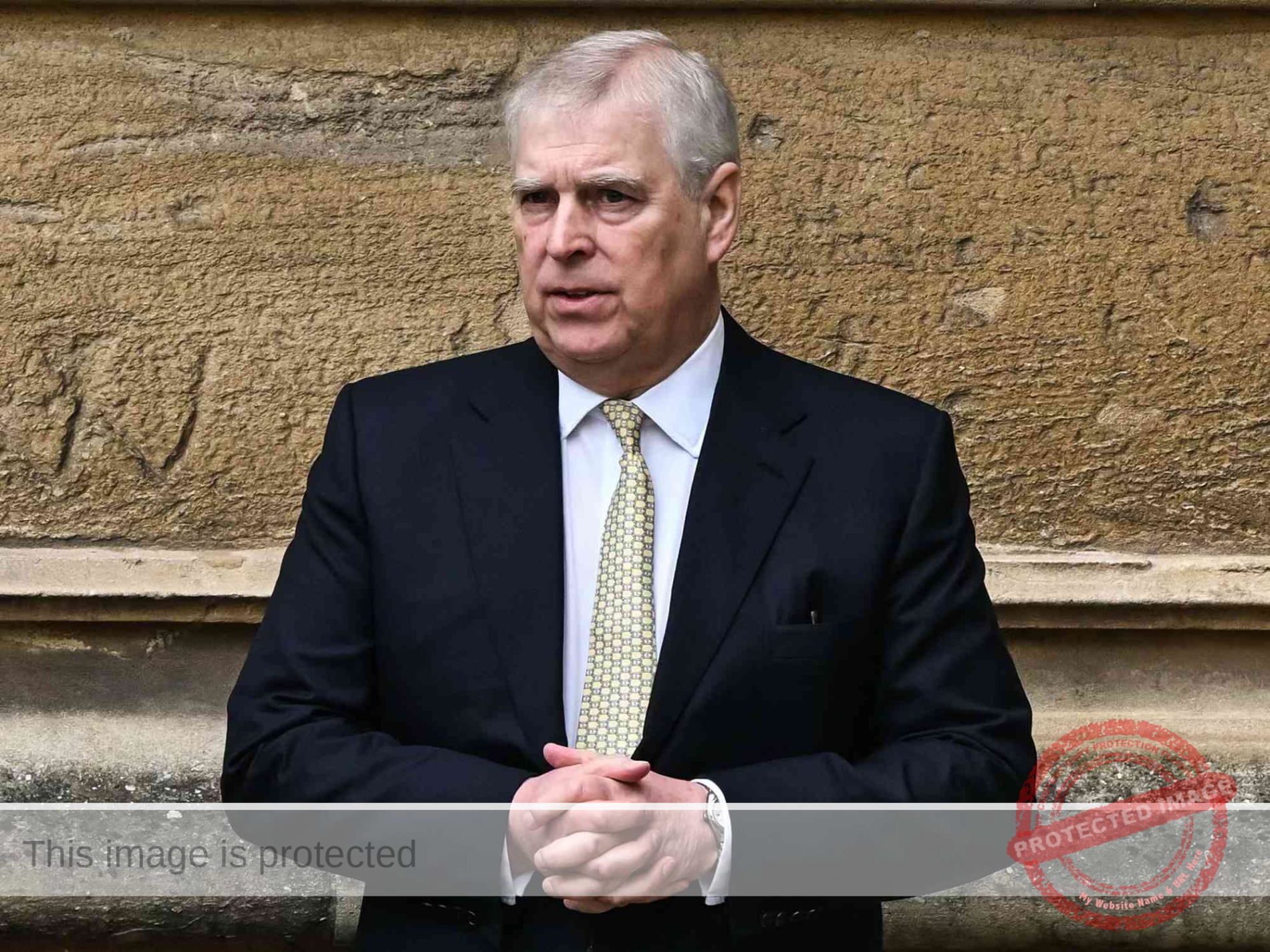
Few recent examples have drawn as much attention as the case of Prince Andrew.
The younger brother of King Charles III stepped back from public royal duties in November 2019 after backlash over his association with convicted sex offender Jeffrey Epstein.
In January 2022, Queen Elizabeth II removed Andrew’s military titles and royal patronages. He also stopped using the style “His Royal Highness” in official contexts.
The consequences continued to unfold.
In October 2025, Andrew announced he would no longer use his remaining royal titles. Later that month, Charles formally stripped him of those titles and required him to leave his longtime home at Royal Lodge.
Since then, he has been using the name Andrew Mountbatten Windsor.
In March 2026, Andrew reportedly met with Richard Benyon, the Lord Chamberlain of the Royal Household, prompting speculation that he could even be removed from the line of succession — though no such decision has been confirmed.
The Abdication That Changed a Dynasty
Long before modern royal scandals, one decision dramatically altered the course of the British monarchy.
In December 1936, King Edward VIII abdicated the throne to marry American divorcée Wallis Simpson.
His reign had lasted less than a year.
The move cleared the path for his younger brother, King George VI, to become king — a change that eventually placed George’s daughter, Queen Elizabeth II, on the throne.
After stepping down, Edward became the Duke of Windsor and retained the style “His Royal Highness.” Simpson was given the title Duchess of Windsor, though she was never granted the HRH designation.
The decision remains one of the most dramatic turning points in modern royal history.
Stepping Back in a Modern Age
In recent years, the idea of “stepping back” from royal life has taken on a different meaning.
In January 2020, Prince Harry and Meghan Markle announced they would step away from their roles as senior working royals.
The couple later relocated to North America, eventually settling in California, where they are raising their children.
Despite the shift, Harry remains fifth in line to the British throne, behind his brother Prince William and William’s children — Prince George, Princess Charlotte and Prince Louis.
Their move marked one of the most visible redefinitions of royal life in the digital age.
Love, Marriage, and Leaving Royal Life
Sometimes, stepping away from royalty happens quietly — through marriage.
In October 2021, Princess Mako of Japan gave up her royal status to marry her longtime partner Kei Komuro, who is not from a royal family.
The couple later moved to New York City, where Komuro works as a lawyer. Mako declined a government payment traditionally given to royal women who lose their status through marriage.
In Norway, Princess Märtha Louise took a different path.
She first stopped using her princess title in business settings in 2019, after debate surrounding a speaking tour linked to her partner, Durek Verrett.
By 2022, she stepped away from royal patronages entirely to create a clearer boundary between royal responsibilities and personal ventures. The couple married in 2024, with Verrett receiving no royal title.
When Titles Change Through Divorce or Duty
Royal status can also shift through life events such as divorce or marriage.
When Princess Diana divorced the then-Prince of Wales — now King Charles III — in 1996, she lost the official style “Her Royal Highness.”
She retained her title as Diana, Princess of Wales, along with certain privileges and her residence at Kensington Palace.
Meanwhile, decades earlier, Prince Philip had to give up his own royal titles to marry the future queen.
Born a prince of Greece and Denmark, Philip renounced those titles and became a naturalized British citizen before marrying Princess Elizabeth in 1947.
He adopted the surname Mountbatten and later became the Duke of Edinburgh.
Why These Decisions Matter
Royal titles may feel ceremonial, but they carry deep symbolic weight.
They shape identity, define public roles, and connect individuals to institutions that span centuries.
When someone steps away — whether by choice, controversy, or circumstance — it reveals how the meaning of monarchy continues to evolve alongside modern life.
Even within traditions built on permanence, change has always been part of the story.
